


The year 2021 is on track to be the deadliest year for fatal fentanyl overdoses with over 200 deaths so far this year in King County. We have already exceeded last year’s record-setting total number of fentanyl deaths of 172.
Fentanyl and other drugs are now killing more King County residents each week than COVID-19.
- Last week, (August 4 -10), there were 22 probable or confirmed fatal overdoses in King County. This number of weekly overdoses has only occurred one other time—in the first week of 2021.
- To date, over 400 probable or confirmed fatal overdoses (from any drug including fentanyl) have occurred in King County. Fatal overdose data show that overdoses involving methamphetamine continue to increase.
- Fatal overdoses from fentanyl are occurring across the county. Regionally, the increase in fentanyl overdose deaths is most dramatic in south King County.
More about fentanyl in our community
The drug supply is different than it used to be. Fentanyl pills made to look like prescription opioids are flooding King County. Illicit drug manufacturers are producing more and more counterfeit pills and powders with fentanyl, which translates into higher risk of overdose and death – even from just one pill.
Pills or powder obtained from a website, a friend, friends of friends or a dealer likely contain fentanyl. Every person is different, but two salt-sized grains of fentanyl can be enough to cause an adult to overdose.
There are increases in fatal fentanyl overdoses among all racial/ethnic groups in King County. We also continue to see disparities in some racial groups. Despite making up 7% of the King County population, 19% of fatal fentanyl overdoses in 2021 have occurred among Black King County residents.
As has been the case in recent years, most fatal overdoses among those under age 30 involve fentanyl. Fatal overdoses among those over age 50 are increasingly involving fentanyl, which was previously rare.
Fentanyl overdose deaths have previously mainly occurred among the housed population. Recently, we have started to see fentanyl deaths also occurring among those living in temporary or supportive housing and those living homeless.
In summary, fentanyl is now threatening all communities in King County regardless of age, geography, race/ethnicity, or housing status. Our entire community needs to be aware of the risks.
Here’s what we can do to prevent overdose
These deaths are an unspeakable tragedy, but our community can take action to prevent overdose deaths.
Addressing the overdose epidemic starts with talking about overdose and substance use disorder—not by stigmatizing those struggling, but rather with compassion and a willingness to share the life-saving tools available.
- Take extra care to check on the people in our lives. Many folks are struggling and may not show it.
- If you suspect someone you know is using drugs, have naloxone on hand. Fentanyl overdoses can happen very quickly. Naloxone, often called Narcan, can save a life by reversing an opioid overdose. Naloxone is now available at many pharmacies and you can order naloxone online. Visit www.lacedandlethal.com or stopoverdose.org for where to get naloxone near you.
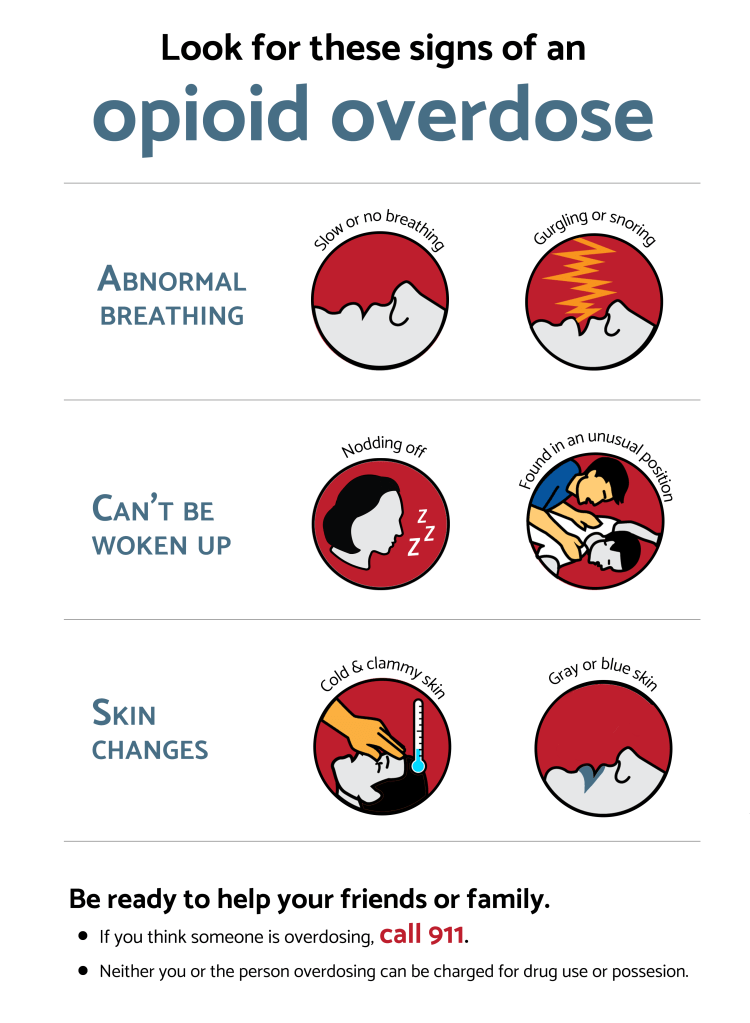
- Overdoses can turn deadly within moments of consumption – or may take several hours – so know the signs of overdose. Call 911 if you suspect an overdose – don’t wait. Remember that the Good Samaritan Law protects you from possession charges
- Recognize that any pill from the street or online is likely counterfeit, and could contain a fatal dose of fentanyl, especially light blue pills marked with a “M” and “30.” Talk with young people and families about the risks of pill use. Tell people in your life that buying pills online, from friends, friends of friends or regular dealers poses a much bigger risk now because of the fentanyl risk.
- Do not use alone.
- Avoid mixing substances.
- Effective treatment options including medications to treat opioid use disorder are available: call 1-866-789 1511 or visit www.warecoveryhelpline.org
“We continue to be very concerned about the presence of fentanyl most commonly seen in counterfeit pills. We have tools available, but we have to be willing to use them, including starting with a non-judgmental conversation with a family member, a friend, in community, and even when it may feel uncomfortable. A first step is addressing ways to reduce overdose risk. A great place to start a conversation is with the Recovery Helpline.”
Brad Finegood, Public Health’s Strategic Advisor on Behavioral Health
Action Public Health is taking
Public Health and King County partners continue to work to address overdose in our community by taking the following actions:
- Increasing access to buprenorphine: Buprenorphine, a proven medication to treat opioid use disorder, has been rolled out at hundreds of locations across the county and through mobile medical services.
- Assisting in providing training to medical providers and getting nearly 100 providers in our community the necessary waivers to allow them to provide buprenorphine.
- Distributing Naloxone: Public Health has worked with the state and local partners to help distribute over 15,000 Naloxone kits since COVID-19 started. We need to continue to increase naloxone across our community.
- Providing access to information: King County’s fentanyl overdose prevention campaign is called Laced & Lethal. The campaign is designed to reach younger people with information about the risk of buying pills and powders potentially laced with fentanyl. The campaign is now expanding to also reach adults. The Laced and Lethal campaign has led to over 650 naloxone kit orders online and 100,000 engagements with young people on social media about the risk of fentanyl.
- Public health uses data to target efforts such as naloxone training to reach populations with disproportionate impacts from overdose. These communities include youth of color, American Indian/Alaska Natives, and LGBTQ community members.
These are just some of the efforts taking place across the community.
Nearly four hundred people in our county – children, siblings, parents, friends, and colleagues – have lost their lives this year so far to a preventable overdose. Please, do your part to protect our community. Start talking about the risk of death from overdose and know that you can have a positive impact in reversing this epidemic.

Originally posted August 17, 2021